Ylang-ylang
Pure essential oil of conventional origin
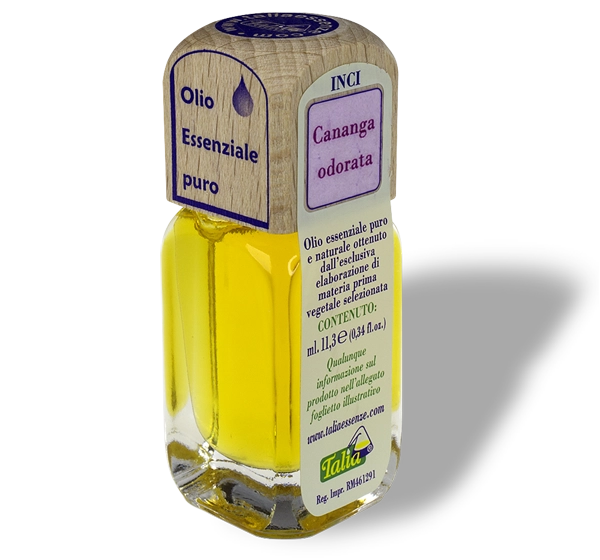
Confezione: 11.3 ml bottle.
-
16,90 €
✔ 100% pure and natural · Since 1993, selected GMO-free essential oils · Certified quality · Shipping within 24/48h
Essential oils
Made exclusively from pure natural distillates of excellent quality, totally free from stabilizers and/or fixatives of any kind, our essential oils represent the best that can be found by those who, without any “ ifs ” or “ buts ”, demand – in the literal sense of the term – the 100% quintessence of nature .
- Code: 21269
- INCI: Cananga odorata
- CAS: 8006-81-3
- Family: Annonaceae
- Type: pure essential oil (EO)
- Variety: conventional
- Food flavoring: yes (according to EC Regulation 1334/2008)
- Extraction method: water distillation
- Purity: 100%
- Origin: Comoros
Related accessories

Description
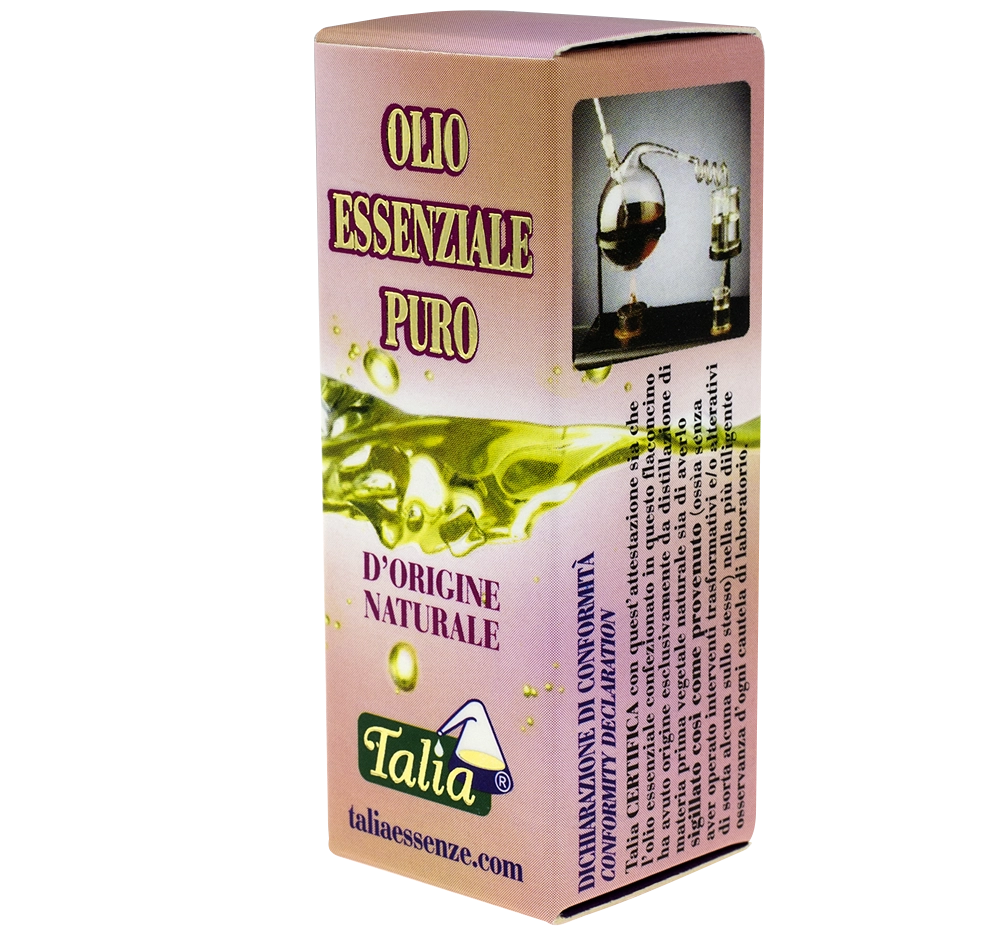
100% pure and concentrated essential oil of natural origin in an 11.3 ml (0.34 fl. oz. ) glass bottle ; this product is completely free from: stabilizers, fixatives, pesticides, GMOs and treatments (even of semi-finished products) with gamma rays and has been packaged and sealed as it came, i.e., without having undergone any transformation and/or alteration of any kind and in the most diligent observance of all laboratory precautions. In accordance with EC Regulation 1334/2008 of the European Parliament and of the Council of the European Union, provided they are highly pure, many essential oils (including Ylang Ylang) are declared "food flavourings" and can therefore be taken as supplements.
As per the declaration of conformity published in the brochure, this essential oil was obtained exclusively from the processing of natural plant raw materials. The
information leaflet included with the packaging contains all the information relating to the natural preparation, including the analytical bulletin, the declaration of conformity, the botanical description, the possibility of use as a " food flavoring", etc.
Attention
Absolutely avoid the " do-it-yourself" internal use of essential oils,as this can be highly dangerous. It is advisable to always proceed with a medical prescription issued exclusively by a competent and qualified professional.As per the declaration of conformity published in the brochure, this essential oil was obtained exclusively from the processing of natural plant raw materials. The
information leaflet included with the packaging contains all the information relating to the natural preparation, including the analytical bulletin, the declaration of conformity, the botanical description, the possibility of use as a " food flavoring", etc.
Extraction
Ylang-ylang essential oil (produced primarily in the Comoros Islands) is obtained by water distillation of freshly picked flowers and appears as a clear yellow liquid with a sweet, warm, and intense floral scent, creamy, rich, and enveloping. It is customary to divide the distillation process into three stages to obtain three oils of varying and progressively lower quality levels (1st, 2nd, and 3rd).
Affinity
Ylang Ylang essential oil blends well with the essential oils of: Agarwood, Bergamot, Frankincense, Rosewood, Opoponax, Rose and Vetiver.
Properties
A well-known and excellent natural fixative, ylang ylang essential oil is non-toxic and non-irritating. However, it should be used in moderation, as its heady scent can cause headaches and even nausea.
In the Victorian era, it was the basic ingredient in a popular hair treatment: Macassar oil, a stimulant used to promote hair growth. Effective in the treatment of acne and oily and/or irritated skin thanks to its toning qualities, this essential oil is also an excellent anti-infective and antiseptic. It is also an effective remedy for insect bites. Among the various properties attributed to it, the best known is certainly that of a powerful aphrodisiac.
In the Victorian era, it was the basic ingredient in a popular hair treatment: Macassar oil, a stimulant used to promote hair growth. Effective in the treatment of acne and oily and/or irritated skin thanks to its toning qualities, this essential oil is also an excellent anti-infective and antiseptic. It is also an effective remedy for insect bites. Among the various properties attributed to it, the best known is certainly that of a powerful aphrodisiac.
Uses
Ylang-ylang essential oil is widely used both as a fragrance component and as a fixative in perfumery, cosmetics, and soap making, especially floral-exotic ones. It is also a widely used flavoring in the food industry (especially in beverages and confectionery).
Botany
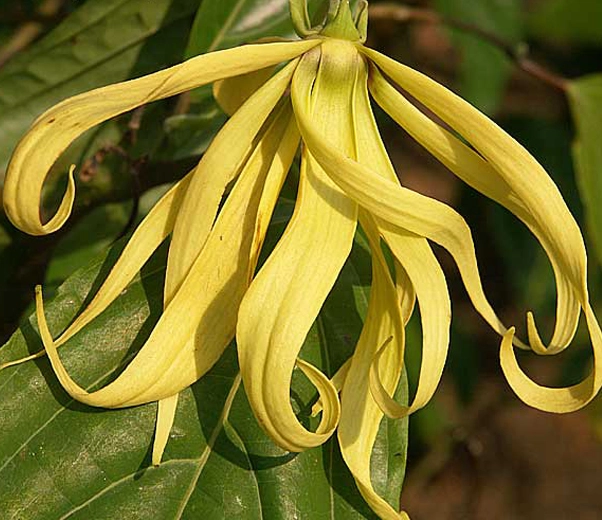
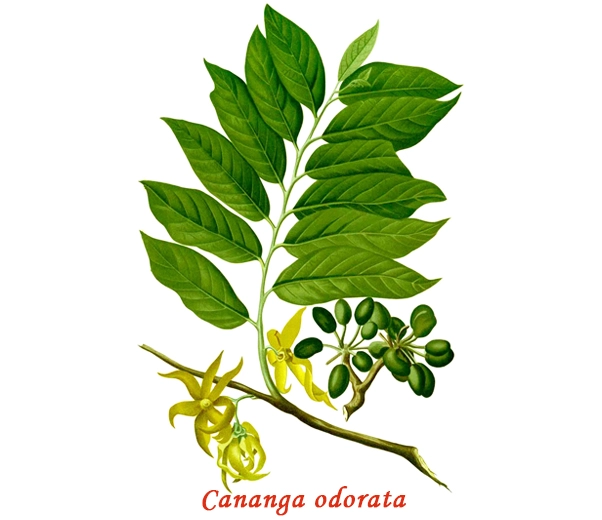
Native to Indonesia and the Philippines, ylang-ylang is also known as "flower of flowers" or "cananga". It is a large tropical tree, up to twenty meters tall, that thrives in the rainforest. It has long, glossy, dark, lanceolate leaves with wavy edges. In spring and autumn, it produces large, highly fragrant yellow-green flowers with elongated, curled petals.
Related topics
Related products
 Acacia flower
 Agarwood
 Amyris
 Balsam of Peru
 Benzyl Salicylate
 Bulgarian rose
 Calabrian Bergamot
 Calamus
 Cardamom
 Cinnamon
 Cinnamon bark
 Cinnamon leaves
 Citron
 Clove
Clove Costus
 Dwarf mountain pine
 Eritrean oil
 Ethiopian olibanum
 Gardenia
 Italian lemon
 Jasmine
 Linalool
 Liquid storax
 Matricaria chamomile
 Mimosa flower
 Mysore sandalwood
 Neroli
 Opoponax
 Orange blossom
 Oriental Sweet amber
 Palmarosa
 Parsley seeds
 Relaxing
10.0 lt. Relaxing
150 ml. Rosewood
 Sudan incense
 Swiss pine
 Tea tree oil
 Tuberose
 Turkish rose
 Turmeric
 Vetiver Haiti
 Wintergreen
 Ylang-ylang
 Fine perfumery fragrances
 Vegetable oils for cosmetic use
 Essence diffusers
 Ylang-ylang
 Carrot seeds
 Kyara taikan
 Brigantine lamp