Vetiver Haiti
Pure essential oil of organic origin
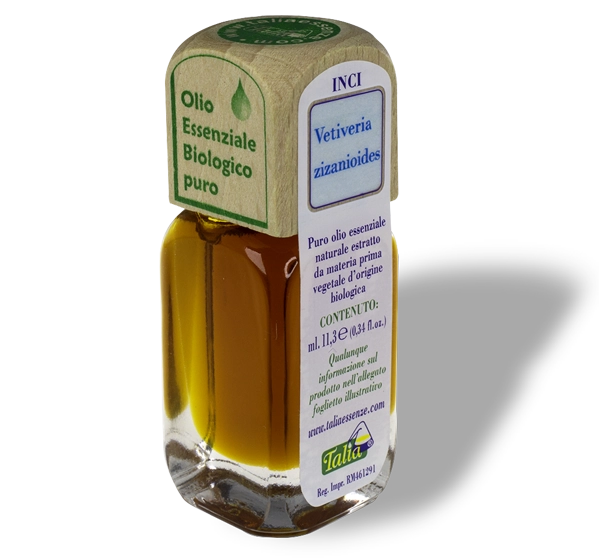
Confezione: 11.3 ml bottle.
-
17,90 €
✔ 100% pure and natural · Since 1993, selected GMO-free essential oils · Certified quality · Shipping within 24/48h
Essential oils
Made exclusively from pure natural distillates of excellent quality, totally free from stabilizers and/or fixatives of any kind, our essential oils represent the best that can be found by those who, without any “ ifs ” or “ buts ”, demand – in the literal sense of the term – the 100% quintessence of nature .
- Code: 21559
- INCI: Vetiveria zizanioides
- CAS: 8016-96-4
- Family: Poaceae
- Type: pure essential oil (EO)
- Variety: organic (cert. CE-009577-2015)
- Food flavoring: yes (according to EC Regulation 1334/2008)
- Extraction method: steam distillation
- Purity: 100%
- Origin: Haiti
Related accessories

Description
100% pure and natural essential oil of documented organic origin (Certificate CE-009577-2015) in an 11.3 ml (0.34 fl. oz.) glass bottle ; this product, also suitable for food use according to EC Regulation 1334/2008, is completely free from: stabilizers, fixatives, pesticides, GMOs and treatments (even of semi-finished products) with gamma rays and has been packaged and sealed as it came, i.e., without having undergone any transformation and/or alteration of any kind and in the most diligent observance of all laboratory precautions. According to EC Regulation 1334/2008 of the European Parliament and of the Council of the European Union, provided they are very pure, many essential oils (including Vetiver) are declared "food flavorings" and can therefore be taken as supplements.
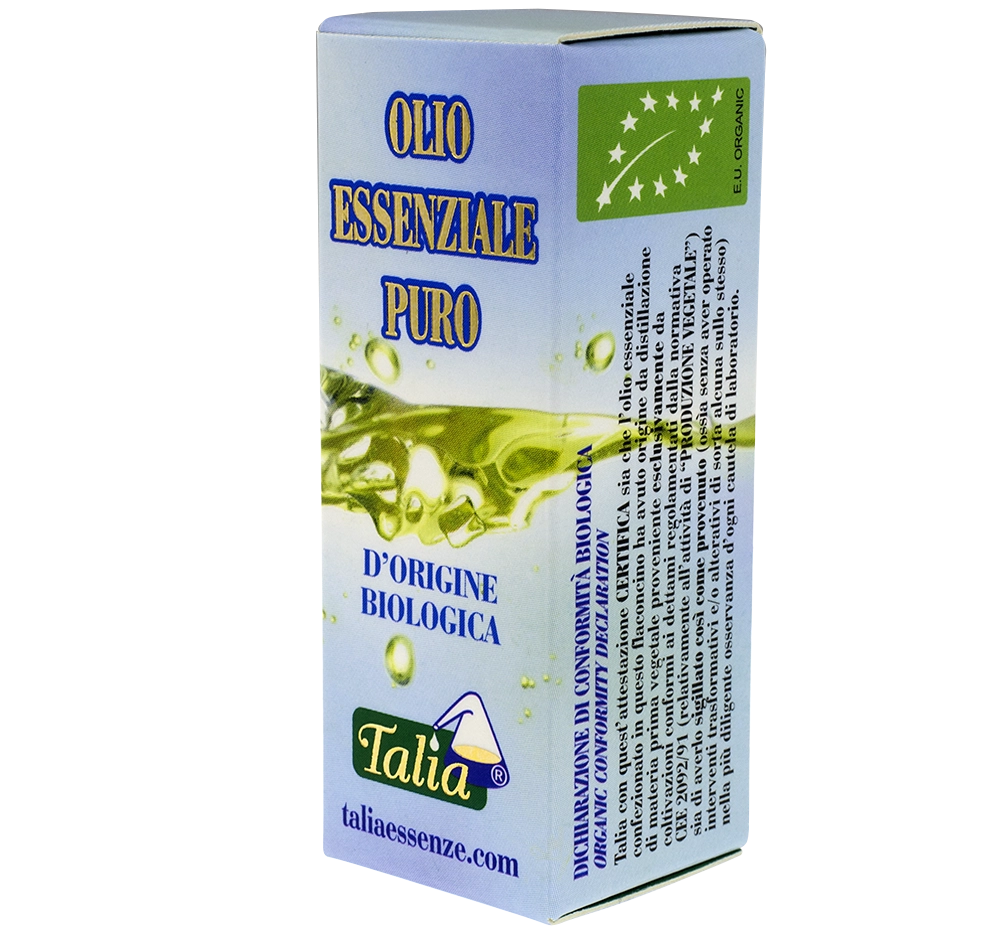
As per the declaration of conformity published in the brochure, the plant-based raw materials selected and processed for the production of this essential oil are of scrupulous and certified organic origin. This, in concrete terms, guarantees the provenance of the material from a farm management system that substantially limits the use of fertilizers and pesticides, in order to protect both the harvest and the environment, as well as promote sustainable agricultural development.
The information leaflet included with the packaging contains all the information regarding the natural preparation, including the analytical bulletin, declaration of conformity, botanical description, and the possibility of use as a " food flavoring", etc.
Attention
Absolutely avoid the " do-it-yourself" internal use of essential oils,as this can be highly dangerous. It is advisable to always proceed with a medical prescription issued exclusively by a competent and qualified professional.As per the declaration of conformity published in the brochure, the plant-based raw materials selected and processed for the production of this essential oil are of scrupulous and certified organic origin. This, in concrete terms, guarantees the provenance of the material from a farm management system that substantially limits the use of fertilizers and pesticides, in order to protect both the harvest and the environment, as well as promote sustainable agricultural development.
The information leaflet included with the packaging contains all the information regarding the natural preparation, including the analytical bulletin, declaration of conformity, botanical description, and the possibility of use as a " food flavoring", etc.
Extraction
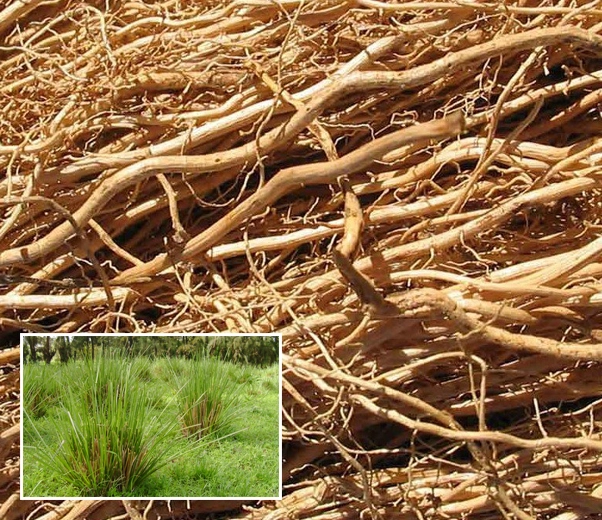
Vetiver essential oil is obtained by steam distillation of the dried and macerated roots. It appears as a viscous, amber-brown liquid with a pleasant, woody-earthy, oriental aroma.
Affinity
Vetiver essential oil harmonizes excellently with the essential oils of: Yarrow, Agarwood, Ambrette, Lavender, Opoponax, Patchouli, Rose, Clary Sage, Sandalwood, Ylang Ylang as well as with Oakmoss absolute.
Properties
Dried vetiver roots have been used for centuries in Ayurvedic medicine as a refreshing and astringent, as well as to make scented pillows.
Vetiver essential oil, non-toxic and non-irritating, has antiseptic, antispasmodic, rubefacient, and purifying properties.
It combats acne and oiliness. Extremely relaxing, it is valuable for massage and bathing.
Vetiver essential oil, non-toxic and non-irritating, has antiseptic, antispasmodic, rubefacient, and purifying properties.
It combats acne and oiliness. Extremely relaxing, it is valuable for massage and bathing.
Uses
Vetiver essential oil, a prized aromatic raw material, is traditionally used as a fixative and as a fragrance ingredient in soaps, cosmetics, and perfumes with a warm, oriental note. Vetiver oil is also occasionally used as a preservative in the food industry.
Botany
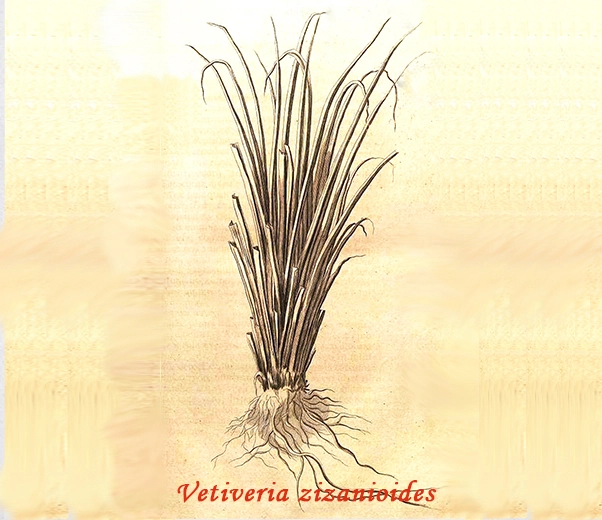
Vetiver, also known as "Khus khus", is native to southern India, Ceylon, and Indonesia. It is a fragrant and extremely hardy herbaceous perennial plant with tufts of long, narrow leaves and brown-purple flowers. Its complex network of underground rootlets that penetrate deep into the soil makes it often used to consolidate landslide-prone soils. It is grown primarily in Japan, Indochina, the Philippines, Pakistan, and South America.
Related topics
Related products
 Agarwood
 Ambrette seeds
 Angelica seeds
 Benzoin
 Black Ebony
 Broom flower
 Bulgarian rose
 Cedar wood
 Cistus
 Citron
 Civet
Civet Clary sage
 Coffee roasted beans
 Costus
 English lavender
 Eritrean oil
 Ethiopian olibanum
 Ginger
 Iris
Iris Juniper berries
 Manuka
 Moroccan chamomile
 Mysore sandalwood
 Oakmoss
 Opoponax
 Oriental Sweet amber
 Oudh balsamique
 Patchouli
 Ravensara
 Russian birch
 Sudan incense
 Turkish rose
 Valerian
 Vanilla
 Vetiver
 Yarrow
 Ylang-ylang
 Fine perfumery fragrances
 Vegetable oils for cosmetic use
 Essence diffusers
 Vetiver Haiti