Silver fir
Pure essential oil of conventional origin
Confezione: 11.3 ml bottle.
-
9,50 €
✔ 100% pure and natural · Since 1993, selected GMO-free essential oils · Certified quality · Shipping within 24/48h
Essential oils
Made exclusively from pure natural distillates of excellent quality, totally free from stabilizers and/or fixatives of any kind, our essential oils represent the best that can be found by those who, without any “ ifs ” or “ buts ”, demand – in the literal sense of the term – the 100% quintessence of nature .
- Code: 21501
- INCI: Abies alba
- CAS: 8021-27-0
- Family: Pinaceae
- Type: pure essential oil (EO)
- Variety: conventional
- Food flavoring: No
- Extraction method: steam distillation
- Purity: 100%
- Origin: Europe
Related accessories

Description
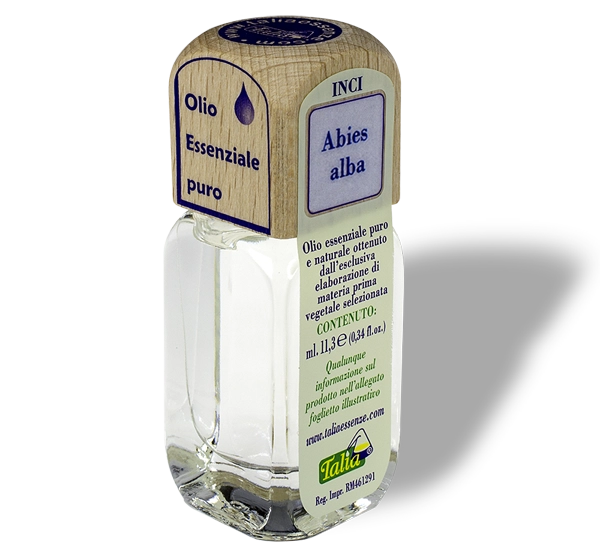
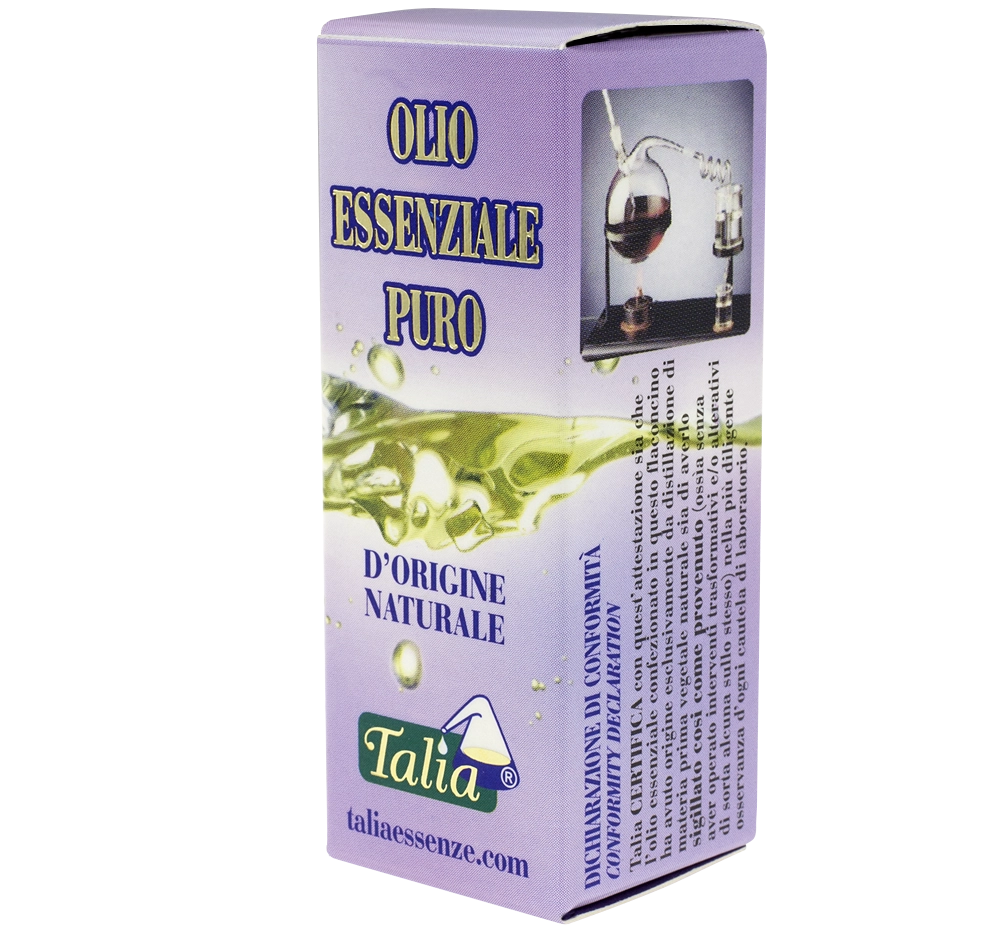
100% pure and concentrated essential oil of natural origin in an 11.3 ml (0.34 fl. oz. ) glass bottle ; this product is completely free from: stabilizers, fixatives, pesticides, GMOs and treatments (even of semi-finished products) with gamma rays and has been packaged and sealed as it came, i.e., without having undergone any transformation and/or alteration of any kind and in the most diligent observance of all laboratory precautions. As per the declaration of conformity published in the brochure, this essential oil has originated exclusively from the processing of plant raw materials of natural origin. The explanatory brochure that accompanies the packaging contains all the information relating to the natural preparation, including the analytical bulletin, the declaration of conformity, the botanical description, the possibility of use as a "food flavoring", etc.
Extraction
Silver fir essential oil is obtained by steam distillation of the needles and young twigs. It appears as a colorless (or slightly yellowish) liquid with a rich, sweet, balsamic coniferous scent.
Affinity
Silver fir essential oil harmonizes well with the essential oils of: Cistus, Lavender, Lemon, Marjoram, Opoponax, Pine, Ravensara, Rosemary and conifer oils in general.
Properties
Silver fir essential oil is nontoxic and non-irritating; it has antiseptic, balsamic, and deodorizing properties. Highly prized in Europe, it was once a supreme remedy for various respiratory ailments.
Uses
Silver fir essential oil is frequently used as a fragrance component in cosmetics, soaps and personal hygiene products (especially bath products).
Botany
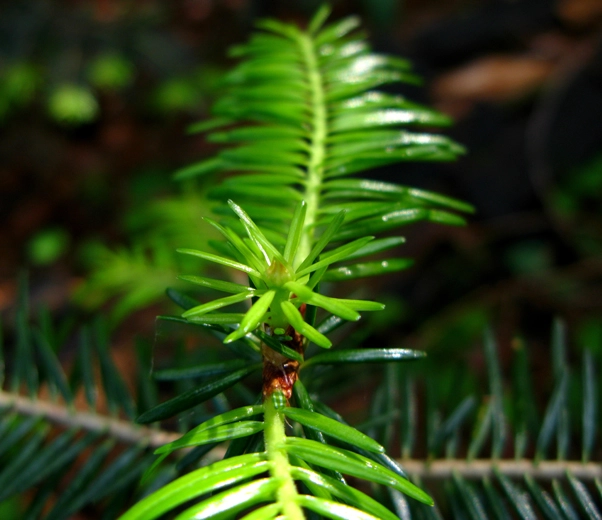
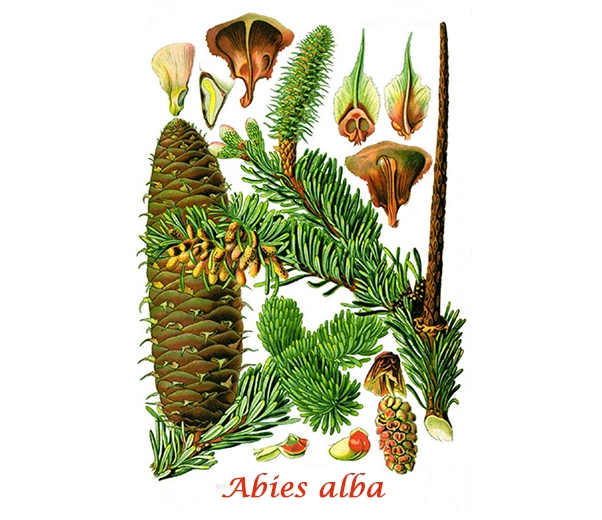
Native to the mountainous regions of Northern Europe, the silver fir is a conifer with stiff, flattened needles that can reach up to fifty meters in height. It has a typical bluish-green pyramidal crown, cylindrical cones pointing upward, and silvery-white bark that darkens with age.
It grows naturally primarily in the Black Forest and the Carpathian Mountains.
It is cultivated in numerous European countries both for its timber and for Christmas traditions.
It grows naturally primarily in the Black Forest and the Carpathian Mountains.
It is cultivated in numerous European countries both for its timber and for Christmas traditions.
 Cistus
 Dwarf mountain pine
 English lavender
 Italian lemon
 Juniper berries
 Marjoram
 Opoponax
 Ravensara
 Rosemary
 Scots pine
 Siberian pine
 Spruce
 Swiss pine
 Fine perfumery fragrances
 Vegetable oils for cosmetic use
 Essence diffusers
 Silver fir