
Manuka
Pure essential oil of conventional origin
Confezione: 11.3 ml bottle.
-
25,20 €
✔ 100% pure and natural · Since 1993, selected GMO-free essential oils · Certified quality · Shipping within 24/48h
Essential oils
Made exclusively from pure natural distillates of excellent quality, totally free from stabilizers and/or fixatives of any kind, our essential oils represent the best that can be found by those who, without any “ ifs ” or “ buts ”, demand – in the literal sense of the term – the 100% quintessence of nature .
- Code: 21596
- INCI: Leptospermum scoparium
- CAS: 219828-87-2
- Family: Myrtaceae
- Type: pure essential oil (EO)
- Variety: conventional
- Food flavoring: No
- Extraction method: steam distillation
- Purity: 100%
- Origin: New Zealand
Related accessories

Description
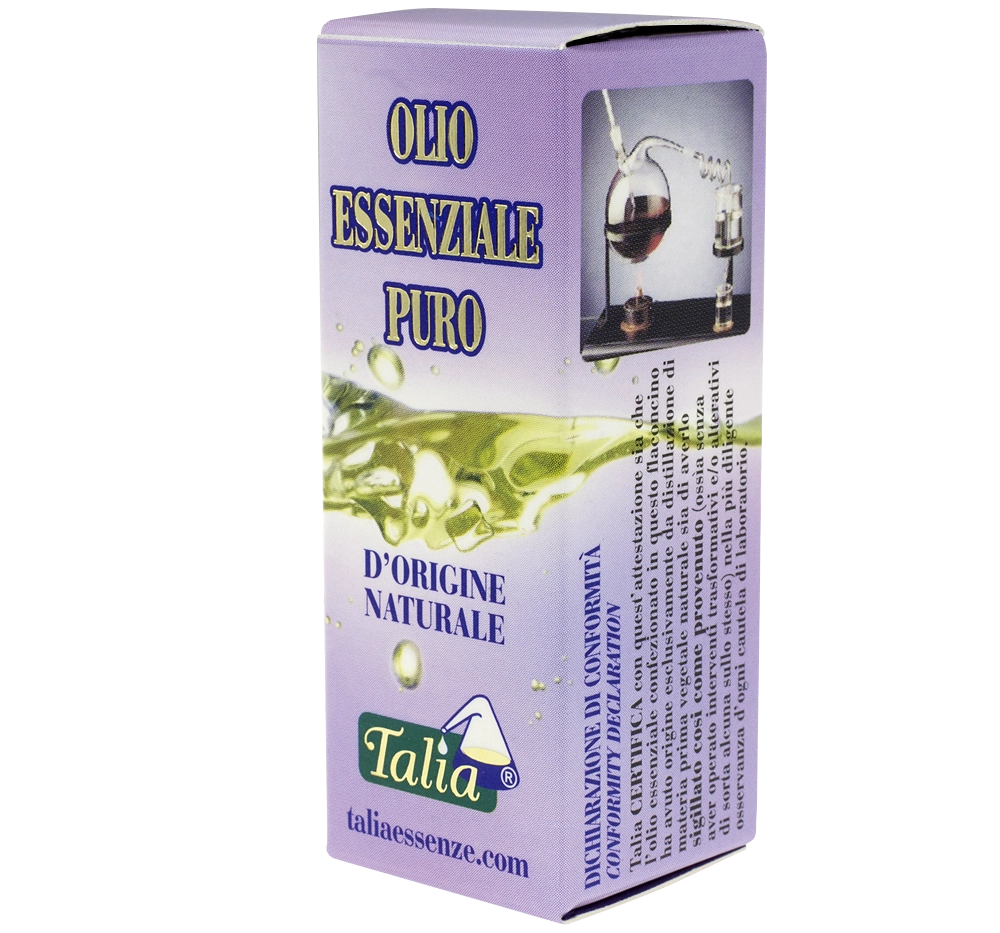
100% pure and concentrated essential oil of natural origin in an 11.3 ml (0.34 fl. oz.) glass bottle ; this product is completely free from: stabilizers, fixatives, pesticides, GMOs and treatments (even of semi-finished products) with gamma rays and has been packaged and sealed as it came, i.e., without having undergone any transformation and/or alteration of any kind and in the most diligent observance of all laboratory precautions. As per the declaration of conformity published in the brochure, this essential oil has originated exclusively from the processing of plant raw materials of natural origin.
The explanatory brochure that accompanies the packaging contains all the information relating to the natural preparation, including the analytical bulletin, the declaration of conformity, the botanical description, the possibility of use as a " food flavoring", etc.
The explanatory brochure that accompanies the packaging contains all the information relating to the natural preparation, including the analytical bulletin, the declaration of conformity, the botanical description, the possibility of use as a " food flavoring", etc.
Extraction
Manuka essential oil – produced almost exclusively in New Zealand – is obtained by steam distillation of leaves and twigs and appears as a clear, pale yellow liquid that releases a strong, earthy, woody, warm scent with a spicy undertone.
Affinity
Manuka essential oil harmonizes well with the essential oils of: Agarwood, Ambrette, Carrot Seed, Balsam of Peru, Cypress, Cistus, Nutmeg, Frankincense, Palmarosa, Sandalwood, Vetiver, Ginger as well as with Oakmoss absolute.
Properties
For centuries, Manuka has been used by the native New Zealanders (the Maori) as a medicinal plant, which is why it has attracted the interest of scholars, especially in recent decades. The essential oil obtained from it, non-toxic and non-irritating, has exceptional antiviral, anti-inflammatory, antiseptic, germicidal, and even immunostimulant properties, which can be fully exploited through the use of a diffuser. Its bactericidal effect is up to thirty times more effective than that of the better-known tea tree essential oil. Although distilled rather infrequently, it has an antifungal effect on the skin, often proving to be a supreme remedy for acne, dermatoses, and insect bites.
Uses
There is no mention of industrial uses (pharmacy, soap making, wax making, etc.) for Manuka essential oil; its use in cosmetics is also unusual or absent.
Botany
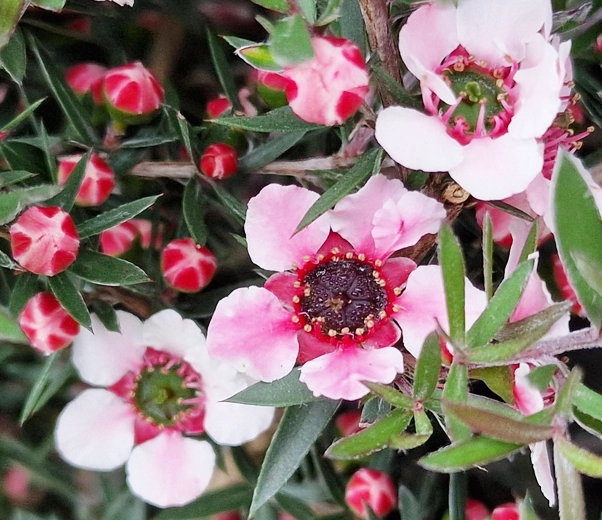
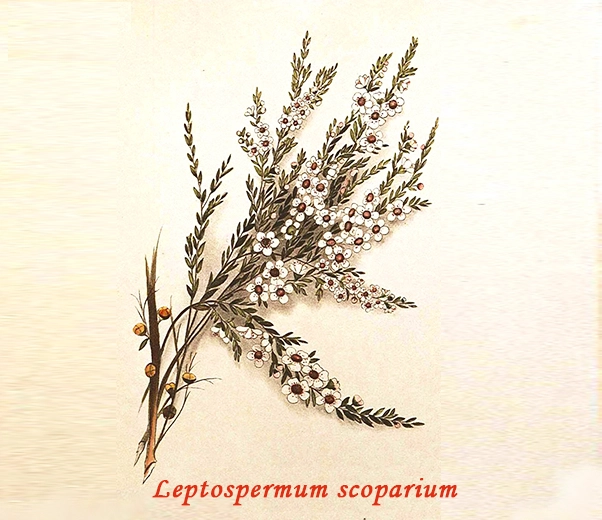
Also known as "Tea Broom", Manuka is native to Tasmania and New Zealand. It grows wild in its native regions but is also present in Europe and North America, where it was introduced both as an ornamental shrub and for honey and essential oil. It is a small evergreen shrub with hard, resistant wood that can reach four meters in height, with leathery, ovate-lanceolate leaves and five-petalled flowers that are usually white (rarely pink or carmine red). Manuka, considered an invasive species, is known for being among the first plant species to recolonize deforested areas.
 Agarwood
 Ambrette seeds
 Balsam of Peru
 Carrot seeds
 Cistus
 Ethiopian olibanum
 Ginger
 Mysore sandalwood
 Nutmeg
 Oakmoss
 Palmarosa
 Vetiver Haiti
 Fine perfumery fragrances
 Vegetable oils for cosmetic use
 Essence diffusers
 Manuka
 Winter savory
 Field mint
 Red thyme