Davana
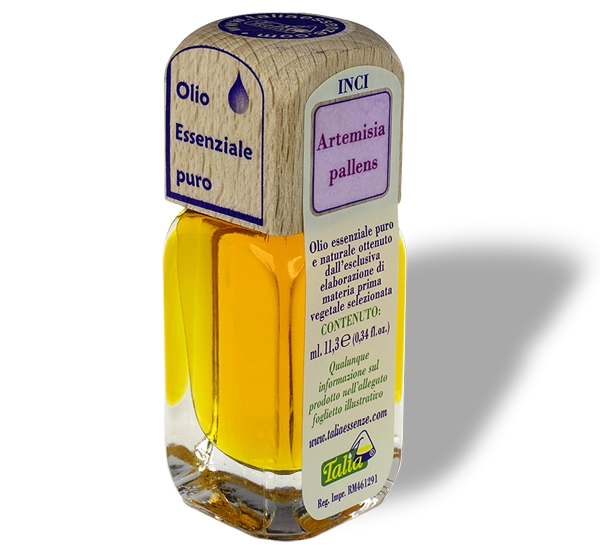
Pure essential oil of conventional origin
Confezione: 11.3 ml bottle.
-
29,80 €
✔ 100% pure and natural · Since 1993, selected GMO-free essential oils · Certified quality · Shipping within 24/48h
Essential oils
Made exclusively from pure natural distillates of excellent quality, totally free from stabilizers and/or fixatives of any kind, our essential oils represent the best that can be found by those who, without any “ ifs ” or “ buts ”, demand – in the literal sense of the term – the 100% quintessence of nature .
- Code: 21546
- INCI: Artemisia pallens
- CAS: 8016-03-3
- Family: Asteraceae
- Type: pure essential oil (EO)
- Variety: conventional
- Food flavoring: yes (according to EC Regulation 1334/2008)
- Extraction method: steam distillation
- Purity: 100%
- Origin: India
Related accessories

Description
100% pure and concentrated essential oil of natural origin in an 11.3 ml (0.34 fl. oz.) glass bottle ; this product is completely free from: stabilizers, fixatives, pesticides, GMOs and treatments (even of semi-finished products) with gamma rays and has been packaged and sealed as it came, i.e., without having undergone any transformation and/or alteration of any kind and in the most diligent observance of all laboratory precautions. Based on EC Regulation 1334/2008 of the European Parliament and of the Council of the European Union, provided they are highly pure, many essential oils (including Davana) are declared "food flavourings" and can therefore be taken as supplements.
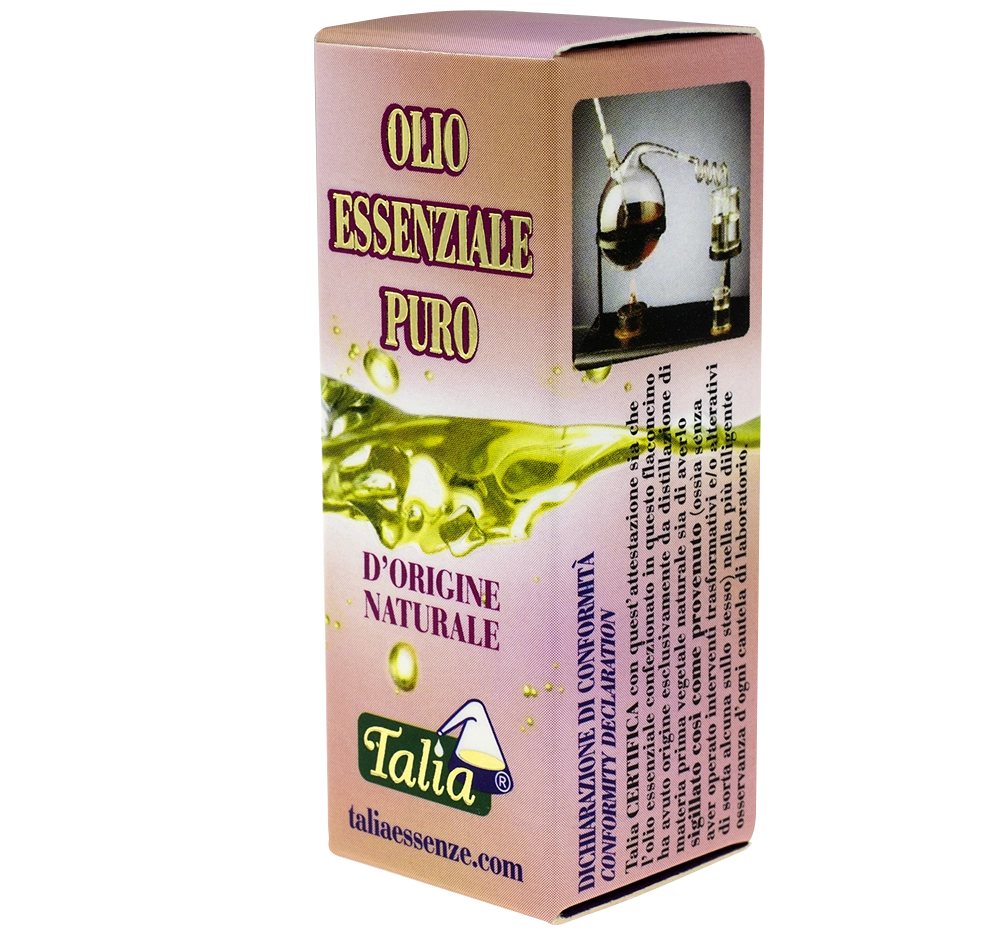
As per the declaration of conformity published in the brochure, this essential oil was obtained exclusively from the processing of natural plant raw materials.
The information leaflet included with the packaging contains all the information relating to the natural preparation, including the analytical bulletin, the declaration of conformity, the botanical description, the possibility of use as a " food flavoring," etc.
Attention
Absolutely avoid the " do-it-yourself" internal use of essential oils,as this can be highly dangerous. It is advisable to always proceed with a medical prescription issued exclusively by a competent and qualified professional.As per the declaration of conformity published in the brochure, this essential oil was obtained exclusively from the processing of natural plant raw materials.
The information leaflet included with the packaging contains all the information relating to the natural preparation, including the analytical bulletin, the declaration of conformity, the botanical description, the possibility of use as a " food flavoring," etc.
Extraction
Davana essential oil is extracted by steam distillation of the leaves and flowering tops of the plant. It appears as a viscous, dark orange liquid that releases a rich, distinctive woody-fruity aroma, at times reminiscent of apricot.
Affinity
Davana essential oil blends beautifully with the essential oils of Orange, Bergamot, Noble Laurel, Lavender, Lemon, Mint, Neroli, Sage, and Tea Tree.
Properties
Davana flowers are used in traditional garlands and floral arrangements offered in India by devotees of Shiva, the deity of transformation.
In the Indian subcontinent, the use of Davana essential oil has always been very popular. Found in many Ayurvedic medicine preparations, it boasts an ancient and vast herbal tradition, thanks to its many properties: antihelminthic, aphrodisiac, relaxant, tonic, and antidepressant. It is also excellent for treating skin infections, so much so that it is still a traditional remedy for wounds infected by tetanus. Considered a natural stimulant for the endocrine system, it is also believed to make the skin smooth and healthy. This essential oil, although completely non-toxic, can be slightly irritating; for this reason, it is always advisable to dissolve it beforehand in a vegetable oil (almond or sesame). When used in a diffuser, it also acts as an effective antiseptic.
It's well known that when applied to the skin, Davana essential oil takes on distinct olfactory nuances on different people. This characteristic is prized in high-end perfumery for the creation of perfumes with a personalized note.
In the Indian subcontinent, the use of Davana essential oil has always been very popular. Found in many Ayurvedic medicine preparations, it boasts an ancient and vast herbal tradition, thanks to its many properties: antihelminthic, aphrodisiac, relaxant, tonic, and antidepressant. It is also excellent for treating skin infections, so much so that it is still a traditional remedy for wounds infected by tetanus. Considered a natural stimulant for the endocrine system, it is also believed to make the skin smooth and healthy. This essential oil, although completely non-toxic, can be slightly irritating; for this reason, it is always advisable to dissolve it beforehand in a vegetable oil (almond or sesame). When used in a diffuser, it also acts as an effective antiseptic.
It's well known that when applied to the skin, Davana essential oil takes on distinct olfactory nuances on different people. This characteristic is prized in high-end perfumery for the creation of perfumes with a personalized note.
Uses
Davana essential oil has many uses: in cosmetics (creams and bath oils), in refined perfumery (composition of woody-fruity notes), in confectionery and even as a tobacco flavouring.
Botany
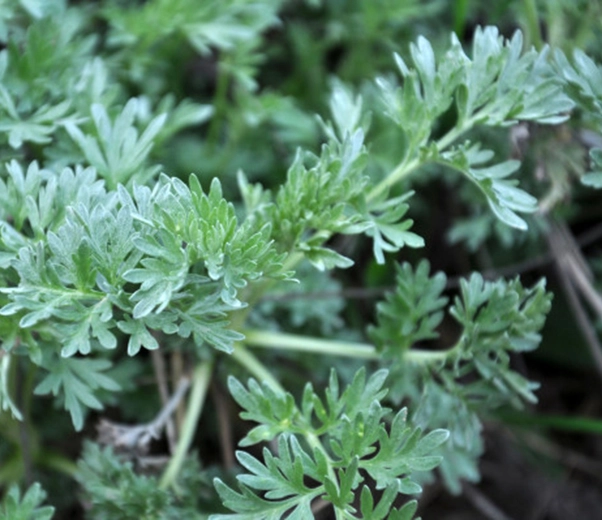
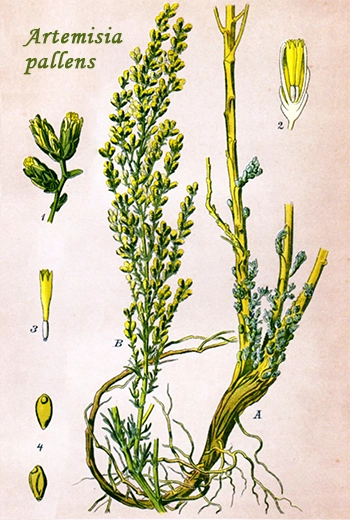
Also called "Marathi", Davana is an aromatic herb that grows in India (especially in Andhra Pradesh and Tamil Nadu). It is typically found near sandalwood trees. It is a variety of Artemisia with leaves covered with a whitish down on the underside, giving the plant a silvery-gray appearance. The highly fragrant flowers are gathered in yellow racemose panicles.
 Apple mint
 Apricot
 Bay laurel
 Bitter orange
 Calabrian Bergamot
 Clary sage
 Common sage
 English lavender
 Field mint
 Italian lemon
 Neroli
 Peppermint
 Sweet orange
 Tea tree oil
 Fine perfumery fragrances
 Vegetable oils for cosmetic use
 Essence diffusers
 Davana
 Peach
Peach